
Prehab
Arguably the second most important part of the ACL journey. Your knee function before surgery has a major influence on both your recovery after surgery and your overall outcome.
The goals during prehab are to:
regain full knee extension (getting the knee completely straight)
improve knee bending
reduce swelling and inflammation
restore a normal walking pattern
build strength in the muscles around the knee, particularly the quadriceps and hamstrings
comfortably tolerate time on a stationary bike
Working closely with your physiotherapist during this phase is essential. Going into surgery with a calm, mobile, and strong knee gives you the best platform for a smoother rehabilitation and successful return to sport and activity.
ACL REHABILITATION & RETURN TO SPORT
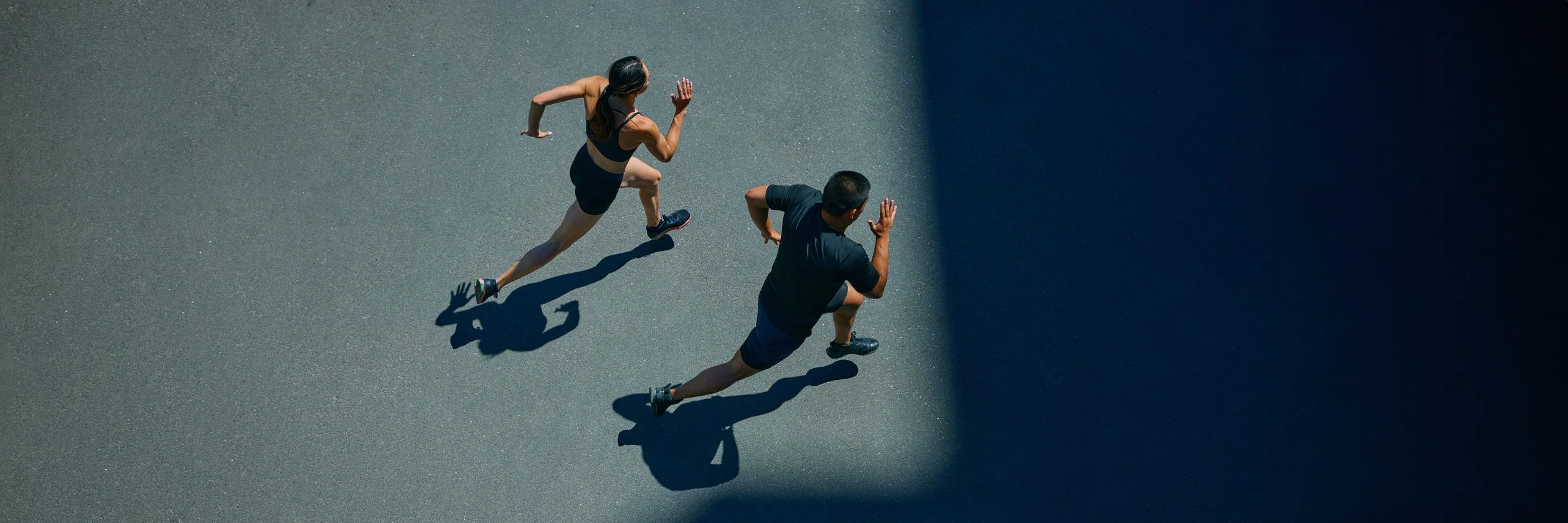
Rehabilitation: 2 weeks to 6 months
Rehab is the most important part of this journey.
If you have had a reconstruction rather than a repair, the graft you receive is not a ligament - yet. Over the first 9 months it remodels into ligament tissue inside your knee. Pushing it too hard, too soon causes failure. Pushing it too gently delays your return. Good rehab is graded, structured, and outcome-driven.
Key principles:
Consistent physio after surgery reduces stiffness and lowers the risk of graft failure.
The graft itself takes around 9 months to mature.
Full muscle strength can take up to 2 years to return.
We are fortunate to have an excellent group of physiotherapists in Taranaki with experience in ACL rehabilitation. We continue to improve our shared expertise through regular meetings and sharing ideas.
A note on further surgery:
A small number of patients (approximately 5–10%) require additional “fine-tuning” surgery during recovery - usually a small arthroscopic procedure for a new injury during rehab, or for stiffness.
The most common reasons include:
A further pivot injury during rehabilitation, resulting in cartilage or meniscus damage requiring arthroscopy or debridement.
Knee stiffness or loss of range of motion in the first year after surgery, occasionally requiring a scar tissue release procedure.
These procedures are generally much smaller than the original ACL surgery. In most cases, there are no significant restrictions afterwards, and patients are encouraged to resume rehabilitation immediately.
Any decision regarding further surgery is made collaboratively between the patient, surgeon, physiotherapy team, and rehabilitation providers to ensure the best long-term outcome.
Surgery and the first two weeks
ACL reconstruction is done as a day-stay procedure under general anaesthetic, sometimes with a regional nerve block for pain control. Surgery takes around 45–90 minutes.
On the day:
Arrive fasted as instructed.
After surgery you’ll be in recovery for a couple of hours, then home the same day with crutches and a knee brace.
First two weeks:
Pain is usually well-controlled within the first 3–4 days.
Use of crutches, brace and weight-bearing status will be dictated by whether the meniscus or other ligaments were repaired during surgery.
Swelling is normal and settles within about 4 weeks.
A simple home exercise programme, provided by the hospital, starts on day one — gentle range of motion, quadriceps activation, swelling control.
Your first physio appointment is usually within the first two weeks.
Return to Sport: Months 6-12+
Returning to sport is one of the most important stages of ACL rehabilitation. Returning too early, or before your knee is ready, increases the risk of further injury.
Our approach is based on both time and objective readiness:
Return to pivoting sport is generally not recommended before 12 months following a full ACL reconstruction.
ACL repairs and partial reconstructions may allow an earlier return, from around 6 months in selected patients.
A formal Return to Sport (RTS) assessment with your physiotherapist is an essential part of deciding when you are ready.
What does Return to Sport testing assess?
RTS assessment typically considers:
Quadriceps strength and symmetry between legs
Hop and functional testing
Movement quality during landing, jumping and cutting
Psychological confidence and readiness
The specific demands of your sport
Around 70% of patients return to some form of sport within two years, while approximately 50% return to their previous level of sport.
Returning to sport should be earned through recovery and objective criteria based testing — not simply because a certain number of months has passed. Working closely with your physiotherapist to regain strength, confidence and movement quality is one of the most important ways to protect your ACL and achieve a successful long-term return to sport.
Reviewed and Approved by Dr Ritwik Kejriwal (Orthopaedic Surgeon)